
Tesla has launched a new phase in its bet on autonomous mobility with the debut of its first robotaxi service in the United States.
The operation launched on a limited scale in Austin, Texas, with a fleet of 20 units of the 2025 Model Y, operating in a specific region of the city. Rides have a fixed fare of US$ 4.20 and run daily from 6 a.m. to noon, still accompanied by a safety monitor on board.
Although full autonomy has been promised since 2016, Elon Musk still places a company employee in the passenger seat to monitor street testing.
Unlike competitors such as Waymo and Zoox, which use advanced sensors, Tesla relies on a vision system based solely on cameras, which reduces costs but raises concerns among experts regarding safety. The system can be remotely controlled by operators in unforeseen situations. The company is also under investigation by the NHTSA for risks associated with its driver assistance systems, such as Autopilot and Full Self-Driving (FSD), which still require constant human attention.
The launch comes amid criticism and regulatory hurdles: Texas lawmakers even requested the postponement of the service until new state regulations come into effect, without success.
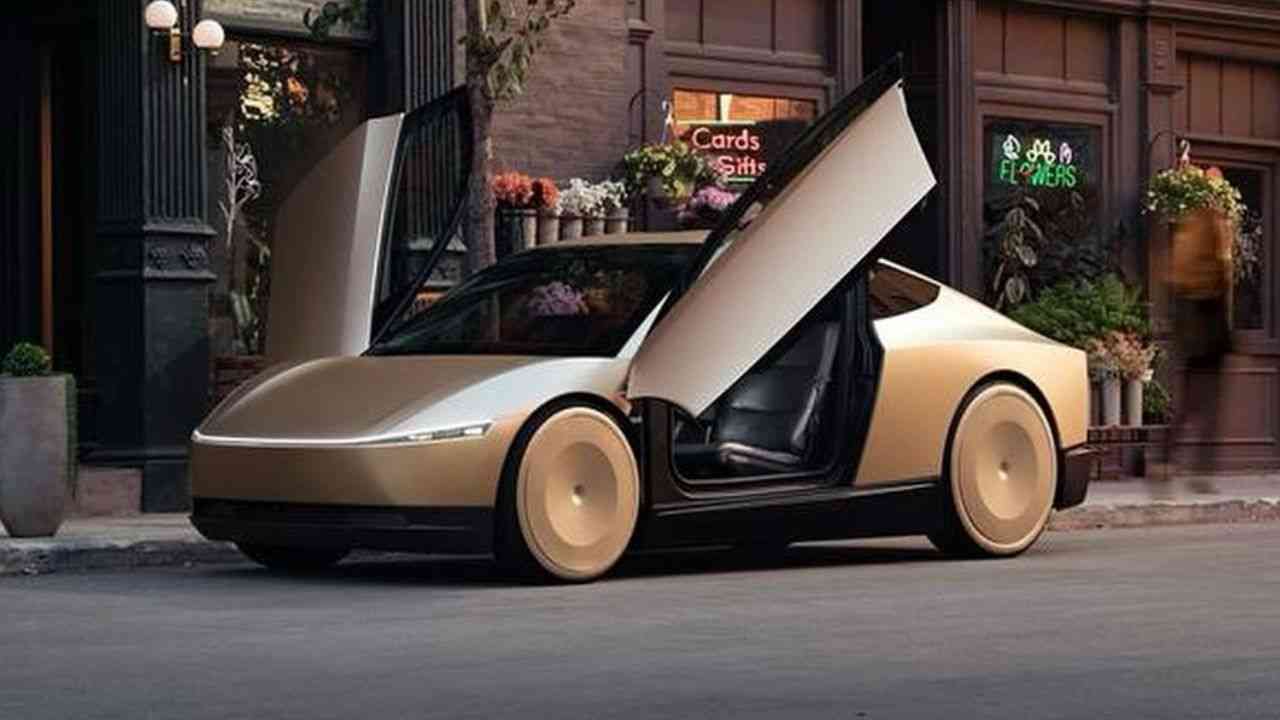
Even so, Musk plans to rapidly expand the service to other cities and is betting on the development of the Cybercab, a 100% autonomous, steering wheel–less vehicle designed to operate at low cost. In the meantime, Tesla must prove that its camera-only technology is capable of standing up to the competition and meeting the challenge of operating safely on a large scale.
Source: Olhar Digital | Photo: Instagram @teslamotors | This content was created with the help of AI and reviewed by the editorial team
Super congratulations to the @Tesla_AI software & chip design teams on a successful @Robotaxi launch!!
Culmination of a decade of hard work.
Both the AI chip and software teams were built from scratch within Tesla.
— Elon Musk (@elonmusk) June 22, 2025
